

Chicagoland Dance Workforce Pipeline
Paid arts workforce development
Paid pathways into arts employment.
Ballet 5:8 is building a paid training and employment pathway for young dancers, teaching assistants, production interns, and emerging arts workers in the Great Chicago region.
- Paid work-based learning
- Supervised training
- Supportive services
- Employment placement
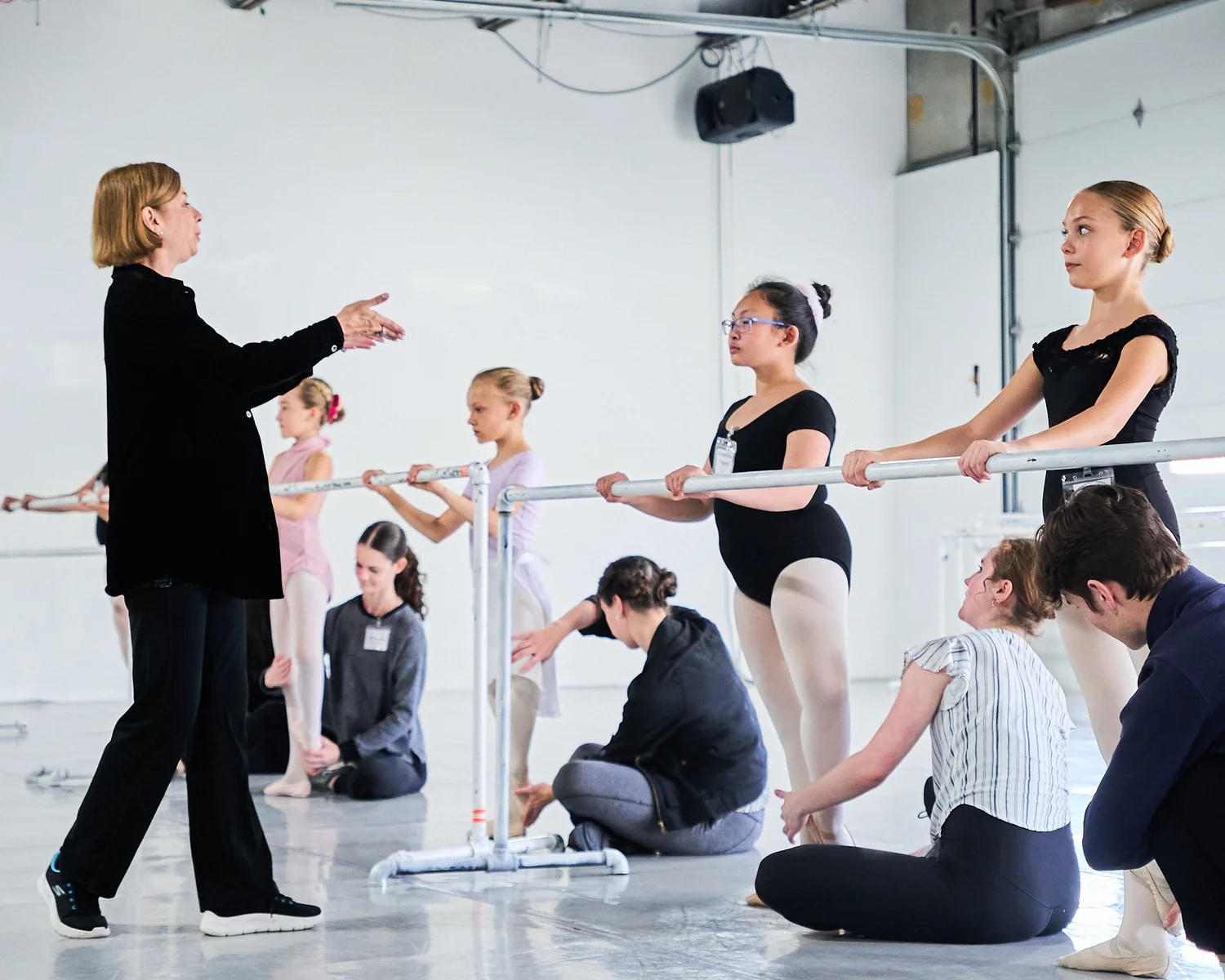
Professional development, mentorship, and hands-on teaching practice create a bridge into paid arts work.
The workforce gap
Illinois has a real creative economy. Young people need real entry points into it.
The Chicagoland Dance Workforce Pipeline is designed around a concrete problem: arts and culture generate jobs and economic value, but early-career access is often limited by unpaid experience, inconsistent mentorship, and informal networks.
National arts-career research points to the same access issues Ballet 5:8 sees locally: internships, professional networks, financial stability, and early work experience influence whether young artists can stay in the field.
What the pipeline looks like
Training that is visible, relational, and practical.
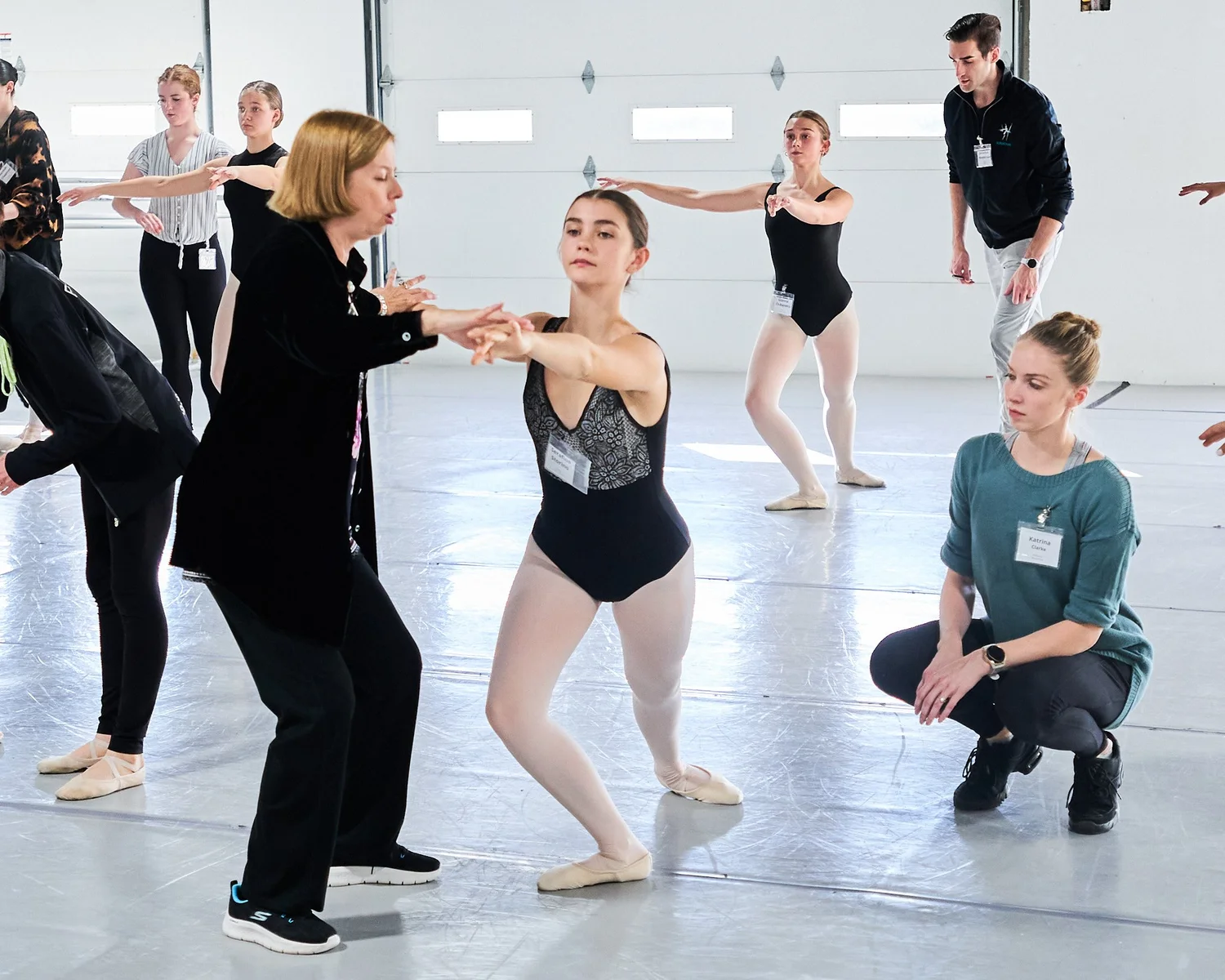
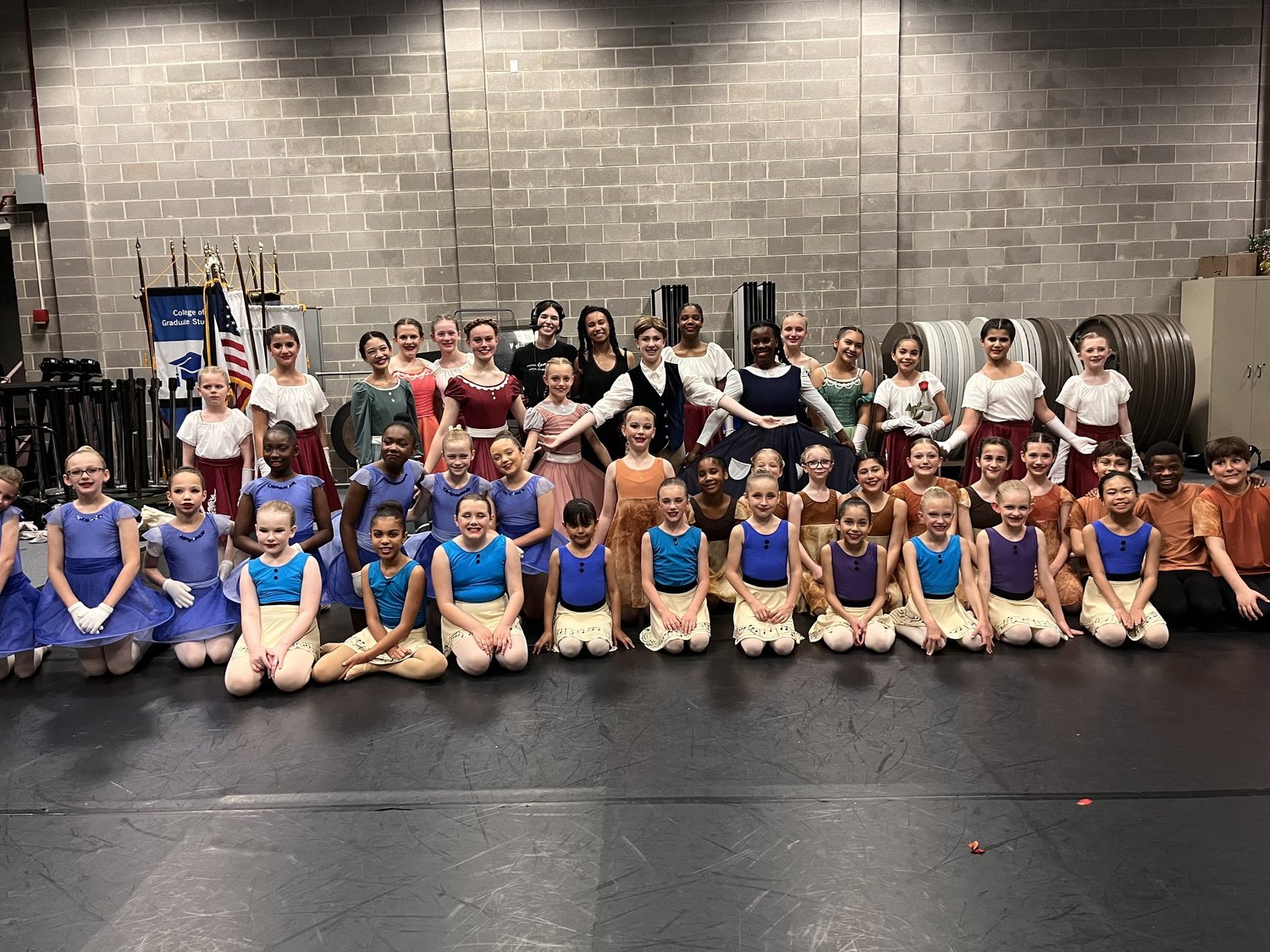
A professional development workshop with the School of American Ballet offers a window into the model: observation, guided practice, coaching, and immediate application.
The workforce pipeline extends this kind of guided learning into paid preparation for teaching, arts education, administration, and production work.
Why this matters
Arts careers should not depend on unpaid labor.
The dance and nonprofit arts sectors depend on skilled entry-level workers, yet early-career pathways are often informal, unpaid, or dependent on personal networks. The Chicagoland Dance Workforce Pipeline changes that model by making arts workforce development paid, structured, supervised, and connected to real employment opportunities.
Participants do not just observe the work of an arts organization. They become part of it through progressive responsibility, mentorship, documented skill development, and experience in active workplace environments.
Program pathways
Two clear tracks. One workforce pipeline.
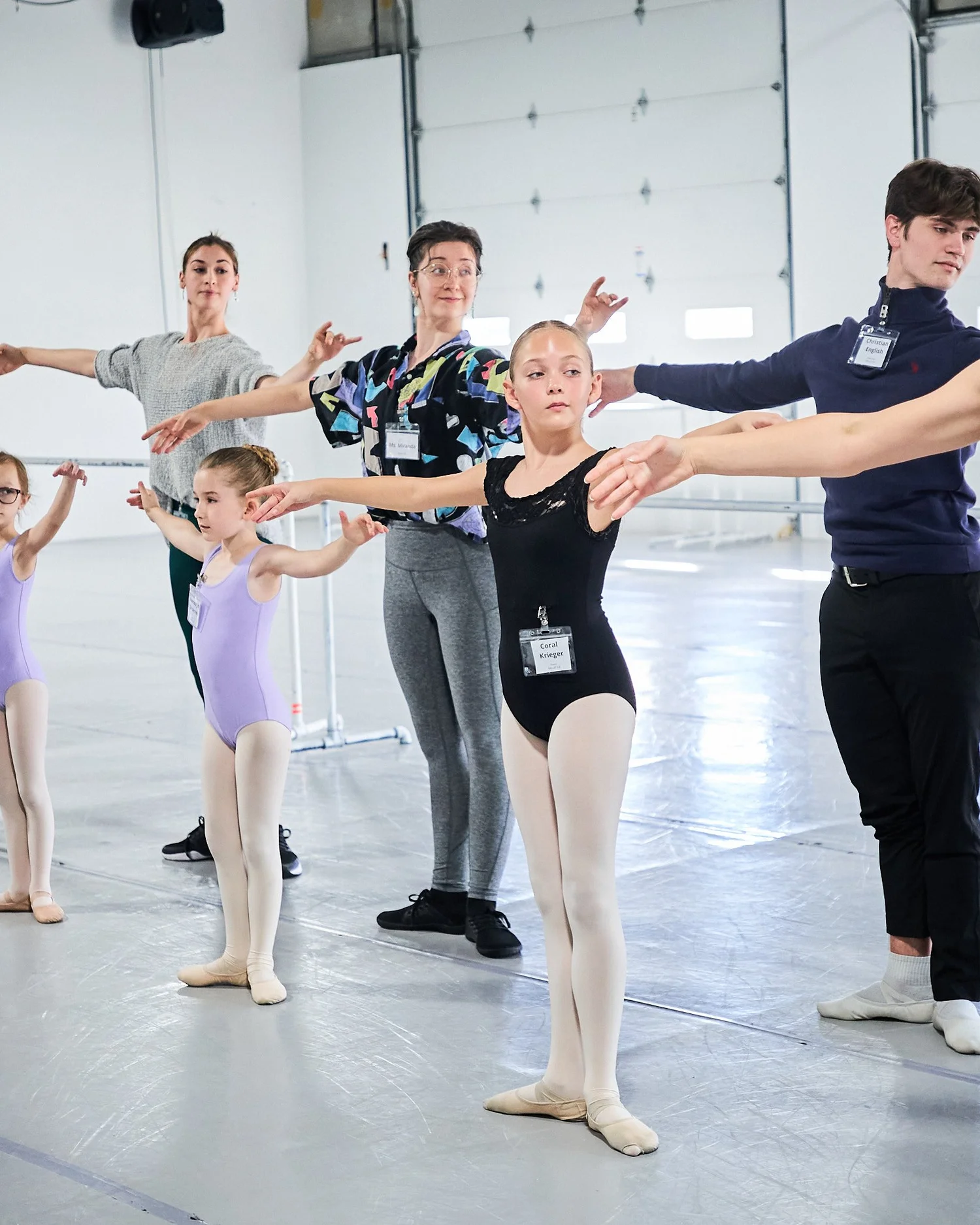
Teaching and Arts Education
Participants prepare for classroom, rehearsal, and community dance support roles through supervised instruction and hands-on practice.
- Teaching assistant and classroom aide preparation
- Student engagement and inclusive instruction
- Lesson preparation, classroom management, and professional communication
- Supervised teaching practice and feedback
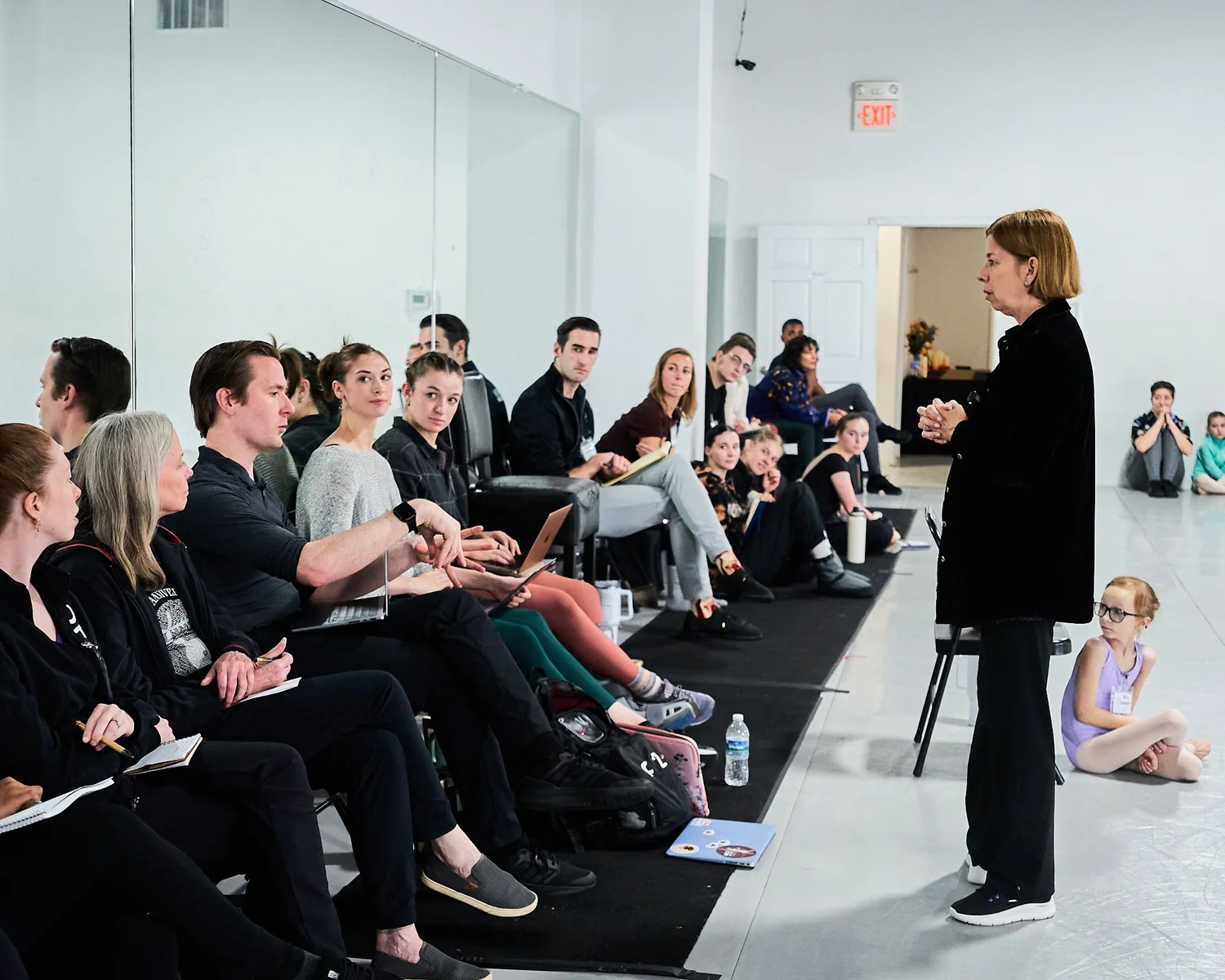
Arts Administration and Production Operations
Participants prepare for entry-level arts, nonprofit, venue, and production support work through direct experience in operations.
- Program coordination and administrative support
- Front-of-house, event, and production logistics
- Scheduling, communication, data tracking, and customer service
- Backstage, venue, and public-facing workplace norms
Active workplace learning
Workforce preparation happens beyond the studio, too.
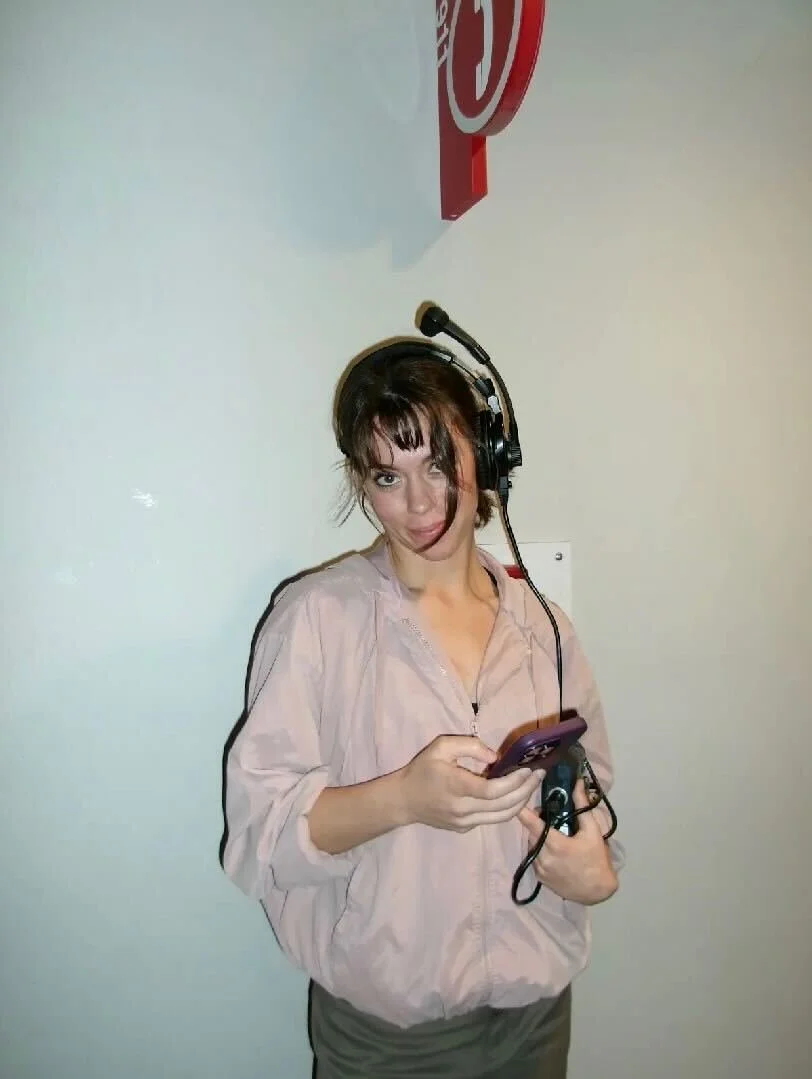
The pipeline includes exposure to the environments that make arts programming possible: backstage communication, event logistics, student support, production readiness, and public-facing operations.
Participants gain practical experience in the same settings where future employment can take shape.
What funding supports
Your investment becomes paid access, coaching, support, and placement.
Funding partners help remove financial and logistical barriers so young adults can remain engaged in training, build transferable skills, and transition toward employment, advancement, or continued education.
Participant wages
Paid work-based learning so young adults can train without taking on unpaid labor.
Training and supervision
Skilled staff to provide instruction, coaching, evaluation, and workplace mentorship.
Supportive services
Transportation, technology, work supplies, documentation needs, childcare support, and emergency barrier reduction.
Placement coordination
Employer partnerships, internship development, and transition support into unsubsidized employment.
Data and outcomes tracking
Participant progress, retention, employment outcomes, and long-term program improvement.
Curriculum and materials
Competency-based training tools, professional development resources, and participant portfolios.
Paid access
Participants earn income while building practical experience, reducing the need to choose between career preparation and financial stability.
Employer-validated skills
Training emphasizes documented competencies, portfolios, and supervisor evaluations aligned with viable career pathways.
Individualized support
Coaching, check-ins, support services, and barrier reduction help participants stay engaged through the full program cycle.
A gift to this initiative helps change who has access to a career in the arts.
Funder alignment
Built for workforce development, economic mobility, youth opportunity, and arts access.
The Chicagoland Dance Workforce Pipeline is well aligned with public, corporate, and foundation priorities related to paid youth employment, skills training, equitable career access, and community-based arts infrastructure.
Who it serves
Young adults ready for meaningful work.
The program is designed for Illinois residents ages 18 to 24, with recruitment across Cook and Will Counties and surrounding communities. Priority is given to applicants facing barriers to employment or limited access to traditional arts career pathways.
How it lasts
A sustainable staffing pipeline for the arts.
The model strengthens Ballet 5:8's staffing pipeline, deepens employer partnerships, uses outcome data to guide improvement, and keeps participants connected through alumni engagement and continued professional development.
Funder questions
Clear answers for funding partners.
Why does this belong in workforce development?
Arts organizations need trained entry-level workers in education, administration, production, and public-facing operations. This program turns informal arts-sector entry points into paid, documented, skill-based training.
What makes the model equitable?
Participants are paid, supported, coached, and assessed through transparent pathways rather than expected to volunteer or rely on personal networks to gain experience.
What outcomes will be tracked?
Ballet 5:8 will track participation, retention, documented skill gains, supportive services, completion, placement, employment outcomes, and advancement opportunities.
The invitation
Help build a more equitable arts workforce in the Southland.
Partner with Ballet 5:8 to launch and sustain a paid, high-quality, replicable model for arts workforce development.
External statistics are sourced from the Illinois Arts Council, National Endowment for the Arts Illinois profile, Business-Higher Education Forum, and SNAAP.